A Practical Review of Watercolor Flower for Crafts & Design Assets
As someone who creates and sells digital products, I approach every new asset with a business mindset. My first step is always to visualize how it will perform in a real marketplace scenario. So, let's evaluate this Watercolor Flower illustration from that perspective.
First Impressions & Target Audience
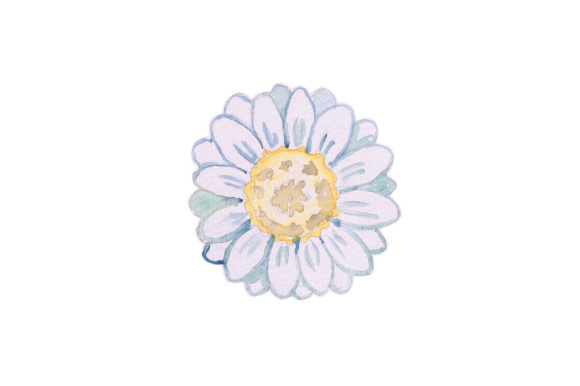
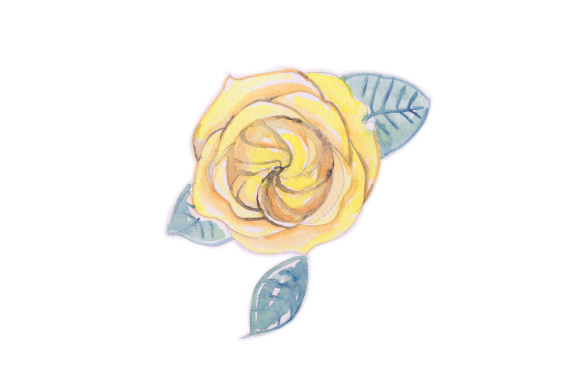
The initial download reveals a digital product with a clear personality: it leans into a soft, elegant, and handmade aesthetic. This isn't a bold or geometric graphic; it's decorative and carries a sense of organic artistry. For online sellers, that mood translates directly into niche appeal. It will attract customers looking for feminine, rustic, or premium visual styles—think wedding planners, boutique stationery shops, or creators targeting a gentle, nature-inspired audience. The watercolor technique itself suggests quality and craft, which can elevate perceived value in a product listing.
File Formats: A Seller's Starting Point
The package includes SVG, transparent PNG, EPS, and DXF files. This is a solid foundation for commercial use. The SVG is crucial for Cricut projects and cutting machines, the transparent PNG is ready for mockups and Canva templates, and the EPS/DXF support professional print workflows. Having all four means you can test this single graphic design asset across multiple product types without needing to convert files yourself.
Real Product Applications for Your Online Shop
Imagine you're preparing a spring collection for your Etsy store or a new bundle for a creative marketplace like Creative Fabrica. Here’s where Watercolor Flower can be applied:
- Sublimation designs & printable products: It’s ideal for mug designs, tote bag prints, and tumbler wraps. The soft gradients of a watercolor style sublimate beautifully.
- Digital downloads & templates: As a standalone PNG, it becomes printable wall art or a focal point in greeting card and invitation templates.
- Craft projects & merchandise: The SVG file allows for precise cutting, making it a candidate for planner stickers, scrapbooking kits, and t-shirt graphics where a handmade feel is desired.
- Branding & presentation: Use the transparent PNG for social media graphics, blog visuals, and packaging design elements to build a cohesive, soft brand identity.
Building Bundles and Seasonal Collections
This asset works exceptionally well within themed sets. A "Spring Florals" digital paper pack, a "Wedding Suite" Canva template collection, or a "Naturals" clipart bundle could all feature Watercolor Flower as a key component. Its decorative nature supports visual storytelling in your listings, helping customers envision a complete look rather than just a single file.
Professional Product Presentation & Mockups
The success of a digital product often hinges on its presentation. Before publishing a listing, I test how an asset looks in real-world contexts. For Watercolor Flower, I would immediately place the PNG onto product mockups: a mock mug, a t-shirt, a framed art print. This checks thumbnail appeal—does the design stand out clearly in a small Etsy gallery image? Does it look like a finished, sellable product? The transparent background is vital here, allowing for clean placement on various mockup backgrounds.
Furthermore, pairing the illustration with different font styles during this test phase is a smart move. Try it with a delicate script font for wedding items, a clean sans-serif for modern stationery, or a playful handwritten font for cute nursery prints. This combination testing often reveals the most marketable product ideas.
Where This Design Asset Excels
Watercolor Flower is strongest in applications where its artistry can be appreciated. Large product previews, like full-page printable art or a prominent graphic on a tote bag, let the details shine. It’s excellent for decorative layouts in digital templates and for creating a premium, handmade business feel across a product collection. In social media promos or blog graphics, it adds a professional yet creative touch that can build customer trust.
Considerations & Practical Testing Notes
Every asset has areas where it requires careful application. With a detailed watercolor illustration, a few checks are essential before going live with a product.
- Cutting & Detail: For Cricut projects like sticker designs, inspect the SVG cut lines. Are the finer, hand-painted details of the flower too complex for a small sticker? Test a cut on a simple shape first.
- Background Contrast: The soft colors may disappear on a dark background. Always preview your final design on both white and dark mockups to ensure visibility and strong visual hierarchy.
- Resolution & Print: While the formats suggest scalability, verify the effective resolution for large physical prints like wall art. A watercolor blur might not translate crisply on low-resolution outputs.
- Layout Balance: Avoid crowding it in text-heavy templates or thumbnails. Its decorative nature means it should often be the hero element, not a background filler.
Final Steps Before Listing
My process always includes a final practical review. For Watercolor Flower, I would:
- Confirm the commercial license of the asset itself to sell my derived products.
- Organize the delivered files clearly for my future customers, labeling them by format and use.
- Create a simple test print to check color rendition against the digital file.
- Use it in at least two different product mockup scenarios to finalize my listing images.
This approach turns a single graphic design asset into a versatile tool for your shop. Whether you're a print-on-demand seller, a Canva template creator, or a crafter selling digital downloads, Watercolor Flower offers a flexible starting point. Its real value isn't just in the file itself, but in how you apply it to create professional, cohesive, and sellable products that resonate with a specific, appreciative audience.