A Watercolor Carrot Graphics Illustration for Crafters
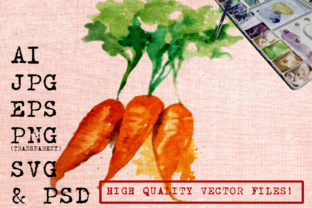
When I first opened the CARROT WATERCOLOR file, my immediate thought was that this is a versatile and charming design asset. It has a soft, rustic elegance that feels both natural and decorative. The watercolor texture gives it a handmade touch, which is perfect for appealing to customers who appreciate that artisan aesthetic. This artwork suggests a cozy, wholesome style, leaning towards feminine and playful without being overly cute. It would attract buyers looking for garden-themed decor, health-conscious gifts, or simply a touch of cheerful, organic charm in their products.
Bringing the Watercolor Carrot to Life in Your Crafting Business
Imagine you’re preparing for a spring market or refreshing your Etsy shop with seasonal items. This CARROT WATERCOLOR illustration can become the centerpiece of a whole collection. Its mood is perfect for creating products that feel personal, premium, and connected to nature. For a real business scenario, let’s say you’re batch-producing a line of custom garden-themed gifts. This graphic can seamlessly tie together mugs, tote bags, and a set of greeting cards, giving your stall or shop a cohesive, professional look.
Top Crafting Applications for This Watercolor Asset
In my hands-on workflow, I’ve found this type of graphic design asset excels in several areas:
- Printable Designs & Digital Products: It’s ideal for creating printable wall art, planner stickers, and scrapbooking elements. The high-resolution file means it will look crisp in a digital download listing.
- Sublimation Design & Print-on-Demand: For mugs, tumblers, and t-shirts, the watercolor effect translates beautifully through sublimation, creating a soft, blended look that customers love.
- Cricut & Silhouette Projects: As an SVG design, it can be used for vinyl cutting for decorative accents on tote bags or handmade packaging. It also works for creating intricate gift tags and party favor stickers.
- Small Business Branding: This lovely artwork can be used subtly on thank-you cards, packaging labels, or as a decorative element on your website, reinforcing your brand’s handmade, artistic vibe.
- Product Mockups: Placing the CARROT WATERCOLOR on mockups for greeting cards or sticker sheets instantly shows potential buyers how your final product will look, which is crucial for Etsy products and creative marketplaces.
Where This Illustration Works Best in Your Shop
For maximizing its value in your handmade business, focus on products where its charm can shine:
- Large Scale Applications: The details are perfect for large cut files on signs or as a focal point on a tote bag.
- Seasonal Craft Bundles: Pair it with other garden graphics to create a themed collection for spring or farmer’s market events.
- Gift Products & Personalized Items: Use it as a base for personalized garden journal covers or custom recipe stickers.
- Clean Printable Layouts: It stands alone beautifully on a simple card or art print, requiring minimal layout work.
- Decorative Accents: A smaller version adds a perfect touch to the corner of a planner page or a party decoration.
Practical Crafter Notes: Testing Before You Sell
Before committing this asset to a batch of customer orders, a few technical checks are essential. This is where real crafting experience prevents wasted materials and unhappy clients.
Technical Checks for a Smooth Project
- Test the Cut File: If using for vinyl, run a test cut on your Cricut or Silhouette. Check that the SVG lines are clean and that very small details, like fine watercolor speckles, don’t cause weeding issues.
- Preview the PNG Transparency: Ensure the background is truly clean when placed over darker product mockups or materials.
- Confirm Resolution for Sublimation: For mugs and tumbler wraps, verify the file’s DPI is high enough to avoid a pixelated print.
- Test Colors Before Printing: Watercolor palettes can shift when printed. Print a sample on your chosen paper or transfer material.
- Check Visibility on Different Backgrounds: See how the CARROT WATERCOLOR looks on both white and dark backgrounds—it may need a slight outline or shadow for contrast on dark apparel.
Design & Commercial Use Considerations
- Resize for Different Products: Scale it up and down to see how it holds detail for a small sticker versus a large poster.
- Simplify if Needed: For crowded compositions, like a busy sticker sheet, you might simplify the background texture to keep the main carrot shape clear.
- Font Pairing: This rustic illustration pairs wonderfully with a simple sans serif for a clean look, a delicate script for elegance, or a friendly handwritten font for a playful feel.
- The Critical Commercial License Check: Always, always confirm the licensing terms before using any graphic design asset for handmade business products you intend to sell. Ensure your use for customer orders and craft fair items is covered.
Where to Use CARROT WATERCOLOR with Care
While versatile, some applications require extra attention. Based on its watercolor style, be mindful of:
- Very Small Cutting Details: The soft, textured edges might not cut cleanly at tiny sizes for intricate vinyl designs.
- Thin Lines or Low-Contrast Colors: The natural variation in watercolor might make some areas less defined, which could be problematic for small, readable text integrated into the shape.
- Small Sticker Sizes: If shrinking it for mini planner stickers, the overall charm might get lost; it’s better suited for medium to large decorative stickers.
- Layered Vinyl Projects: The blended colors aren’t made for separate color layers in vinyl; treat it as a single-layer, print-and-cut image.
Ultimately, the CARROT WATERCOLOR is a robust and lovely addition to a crafter’s toolkit. It supports a range of product creation, from quick printable designs to more involved sublimation projects. By understanding its strengths and doing those practical pre-flight tests, you can confidently integrate this graphics illustration into your seasonal collections and customer orders, adding that handmade charm your buyers are seeking.