A Watercolor Guinea Pig Illustration for Graphic Design
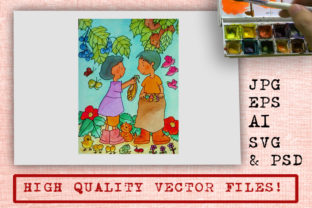
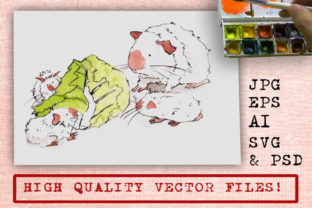
When a new design asset arrives for review, the first thing I look for is its emotional resonance. GUINEA PIG FAMILY CARTOON WATERCOLOR immediately creates a mood of gentle charm and handmade warmth. The soft washes of color, the subtle textures of the paper, and the playful arrangement of the guinea pig family evoke a sense of nostalgia and approachable whimsy. It’s not a cold, vector-perfect graphic; it feels crafted. This style naturally fits projects aiming for a connection—think family-oriented brands, small handmade businesses, boutique product lines, or any client looking to project a friendly, authentic personality.
The First Impression: Warmth and Whimsy
This artwork sits firmly in the illustrative, watercolor trend that continues to resonate in consumer markets. It represents a style that values personality over polish. For a designer considering it for a real client project, this is key. It would be a mismatch for a tech startup wanting a sleek, minimalist identity, but it’s a potent fit for a children’s bookstore, a natural pet product line, a cozy café, or an Etsy shop selling handmade crafts. The initial charm is its strongest asset, suggesting projects built on emotional appeal and personal connection.
Where This Illustration Excels in Client Work
Let’s frame this around a realistic case: a client launching a small business selling natural, handmade guinea pig toys and accessories. They need a visual identity that feels safe, loving, and high-quality. GUINEA PIG FAMILY CARTOON WATERCOLOR becomes a cornerstone asset. Its high-resolution nature means it can scale beautifully for large layout areas. Here are specific applications where it would perform exceptionally well:
- Packaging Design & Product Labels: The watercolor texture adds a tactile, premium feel to physical products. Used as a hero graphic on a box or a central element on a label, it immediately communicates a handmade, caring brand.
- Social Media Graphics & Digital Ads: For Instagram posts or Pinterest pins promoting the brand, this artwork provides instant visual appeal. It can be the focal point of a campaign graphic, creating consistent mood across channels.
- Website Graphics & Blog Visuals: As a welcoming header image or a supportive illustration within editorial content about pet care, it builds visual trust and engagement.
- Printable Designs & Merchandise: For printable wall art, invitations for a pet-friendly event, or applied to merchandise like mugs and tote bags through sublimation design or print-on-demand, the artwork's charm translates directly into sellable products.
- Cricut Projects & Sticker Design: If the file includes an SVG format, its clean outlines would be perfect for creating custom stickers, decals, or detailed craft projects, adding a unique touch to the brand’s physical offerings.
In these scenarios, the asset acts as more than clipart; it becomes a key brand element, setting a cohesive tone across marketing visuals, packaging design, and digital presence.
Strategic Use as a Supporting Brand Element
It’s worth noting that for logo design, this specific artwork might best serve as a supportive illustration rather than the logo itself. Its detail and color variation could complicate scalability at tiny sizes. However, it could brilliantly inspire a simplified logo mark and then be used expansively throughout the brand identity system—on thank-you cards, in email headers, as decorative accents on web pages. This approach leverages its mood while maintaining clean visual hierarchy for core branding.
Practical Considerations and Designer Notes
Before committing this asset to a client’s commercial design project, a professional review involves several checks. The description notes it’s a high-resolution file, which is crucial.
- Test Scale and Contrast: Preview it at both very small sizes (like a favicon) and very large (like a poster). The watercolor details may become muddy at tiny scales but shine in large formats. Always check its contrast on both light and dark backgrounds; soft watercolors can sometimes fade on busy layouts.
- Mockup Integration: Place it on real product mockups—a t-shirt design, a mug, a book cover. See how it interacts with other elements like text. Pair it with different font styles: a clean sans-serif for modern balance, a gentle script for added whimsy, or a sturdy serif for a classic feel. This reveals its versatility.
- Print and Digital Quality: If using for printable designs, test a print proof. Watercolor gradients should output smoothly without banding. For digital assets like web graphics or Canva templates, ensure the PNG transparency (if included) is clean, with no residual white fringe.
- Licensing Verification: Absolutely confirm the commercial license. For use in a client’s branding, product labels, or an Etsy product line, you must have the rights for commercial application. This is a non-negotiable step in professional practice.
Where to Apply Caution in Layouts
While GUINEA PIG FAMILY CARTOON WATERCOLOR is versatile, its application requires thoughtful design. It should be used carefully in:
- Crowded Layouts with Complex Backgrounds: Its soft edges and detailed texture can get lost or create visual chaos against competing patterns.
- Projects Requiring Stark Minimalism: If the client’s direction is ultra-clean and corporate, this artwork’s handmade charm might clash.
- Small-Size Critical Applications: As mentioned, using it as a tiny icon in a complex interface could reduce its recognizability and impact.
The goal is to let it breathe. Use it in spaces where its charm can be the focal point or a deliberate decorative accent, not squeezed into a corner of a busy flyer.
Final Judgment: A Asset for Connection-Driven Brands
Reviewing GUINEA PIG FAMILY CARTOON WATERCOLOR from a professional designer’s perspective, its value is clear. It’s a graphic design asset that specializes in emotional appeal. It won’t solve every client’s needs, but for the right project—a small business branding aiming for warmth, a seasonal campaign targeting families, a creative marketplace product needing standout visuals—it offers a ready-made mood. It improves a visual concept by providing instant authenticity and polish, moving away from generic stock imagery. By handling it strategically, checking its technical performance, and respecting its stylistic strengths, a designer can leverage this lovely watercolor illustration to create cohesive, charming, and effective commercial design outcomes that truly resonate with an audience.