A Watercolor Pizza Design for Embroidery Projects
The Warm, Whimsical First Impression
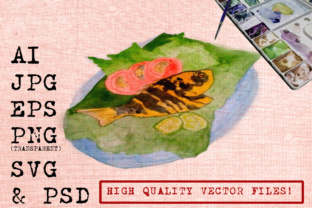
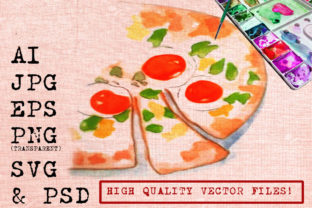
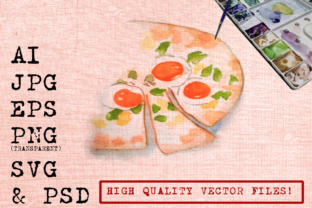
When you first look at PIZZA with EGGS WATERCOLORS, you see charm. It’s not a rigid, hyper-detailed graphic. The watercolor style immediately softens the edges, giving it a hand-painted, almost storybook quality. The mood it creates is playful, cozy, and slightly nostalgic. It feels like a Saturday morning breakfast illustration, perfect for projects that aim to evoke warmth and a touch of humor. For an embroidery designer, this tells me the design isn't about technical precision, but about capturing a friendly visual personality. The layout, with its central focus, suggests it will stitch out cleanly as a standalone motif, ideal for a single, statement piece on an item.
This design naturally belongs to projects where personality matters more than corporate sleekness. Think of a custom embroidered apron for a home cook, a playful patch on a child’s backpack, or a whimsical centerpiece on a kitchen-themed pillow cover. The detail level, inferred from the watercolor aesthetic, likely means softer transitions rather than sharp lines, which can be beautifully interpreted with thoughtful thread color choices and a mix of satin and fill stitch types.
Where This Design Stitches Up Perfectly
In real-life embroidery situations, I envision PIZZA with EGGS WATERCOLORS shining on a few specific products. For custom apparel, like a relaxed-fit sweatshirt or a canvas tote bag, it becomes a conversation starter. It’s not overly bold or aggressive, making it great for personalized gifts—perhaps for a food-loving friend’s birthday. As a small shop product on Etsy or at a craft fair, it could anchor a whole line: matching tea towels, oven mitts, and embroidered patches. The illustration style lends itself well to baby embroidery on a nursery blanket or a soft bib, provided the colors are bright and cheerful.
For holiday gifts or wedding gifts for a quirky couple, an embroidered pillow cover with this design adds a unique, handmade touch. Its appeal in digital product previews and printable mockups for your craft business is high because the watercolor look is currently popular and engaging. As a commercial embroidery asset, it could work well for a boutique cafe’s branded merch or a small-town restaurant’s staff caps, injecting a dose of friendly branding.
Careful Placement and Fabric Considerations
While the design is versatile, its application needs some practical thought. The watercolor style implies areas of potential color blending and detail. On very small hoop sizes, some of that soft detail might get lost or become muddy, so I’d recommend a medium to large size for clarity. Using it on highly textured fabrics like thick wool or on stretchy fabric without proper stabilizer could distort those gentle shapes. Dark fabric backgrounds require a test run; you’ll need to ensure your chosen thread colors have enough contrast to pop and maintain the light, watercolor feel.
Curved surfaces like caps can be tricky if the design has wide, filled areas; the stitch stitch density must be suitable to avoid puckering. There are likely no tiny lettering here, but inspect any small illustrative details, like the egg shapes, to ensure they’ll be distinct after stitching. For products that need frequent washing, such as kitchen towels or baby clothes, a robust stitch structure is key, so testing the embroidery file on scrap fabric first is a must to see how the stitches hold up.
How It Elevates Your Finished Product
Using PIZZA with EGGS WATERCOLORS correctly affects more than just aesthetics. It boosts product value by offering a unique, art-driven design rather than a generic clipart. This builds customer trust and buyer engagement; people recognize the effort of a well-chosen, charming machine embroidery design. For your handmade presentation, it adds a layer of thoughtfulness, making items feel more giftable and special. It supports brand consistency for a shop with a playful, culinary, or family-friendly theme.
The visual appeal and stitching clarity directly impact perceived professionalism. A clean, cheerful embroidered pizza on a tote bag tells a customer you care about both design and craftsmanship. This can turn a simple item into a standout piece in your Etsy listings or craft fair products.
Practical Notes Before You Hoop the Fabric
Before committing this design to a client project or your next batch of small shop merchandise, here’s my on-the-ground advice. Always test the design on scrap fabric first, using a similar material to your final product. This reveals how the stitch density behaves and whether any sections need adjustment. Check thread color contrast thoroughly; the watercolor palette might require softer, blended tones rather than stark contrasts to mimic the artwork’s mood.
Review the design in black and white mockups to understand its form without color, which helps gauge its suitability for different applications. Compare how it looks on light and dark fabric backgrounds by stitching samples; you might decide it’s best suited for one over the other. Use the proper stabilizer for your chosen fabric—this is crucial for maintaining the integrity of those soft shapes.
Finally, since this product falls under Illustrations and Graphics, and the description mentions its use in creative projects, it is essential to check whether the design works for both personal and commercial projects. Confirm the licensing before selling finished items or digital products. The provided description does not specify these terms, so you must verify them directly from the source before proceeding with any commercial embroidery or digital product sale. This step protects your craft business and ensures you’re using the digital embroidery file appropriately.
By approaching PIZZA with EGGS WATERCOLORS with this practical, experienced lens, you can transform a lovely digital graphic into a truly delightful finished product that resonates with your audience and strengthens your work.