Reviewing Pixie Mops in Watercolor Embroidery
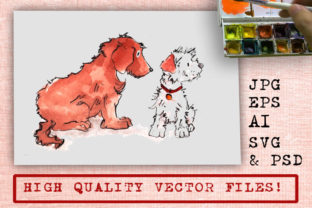
Every time I download a new embroidery file, my first question isn't just about the stitches. It’s about the story. What mood will this design create when it’s stitched out onto fabric, and what kind of project will it truly belong to? Today, I’m looking at Pixie Mops in Watercolor Style, and immediately, it tells a playful, whimsical tale.
The Charm of Watercolor on Fabric
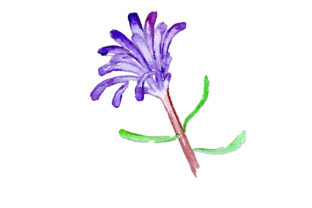
This design has a soft, artistic personality. The watercolor style isn’t about sharp lines or dense fills; it evokes a gentle, hand-painted feel. For an embroidery designer, that means we’re translating an artistic technique into thread. The shapes feel organic, with a lovely blend of colors implied by the design’s contours. This isn’t a bold, graphic logo—it’s a decorative accent that brings a touch of friendly magic to a project.
My first impression is that Pixie Mops in Watercolor Style naturally fits projects where warmth and charm are the goal. Think of a custom baby blanket or a nursery pillow cover. Imagine it on the corner of a little girl’s tea towel or as a sweet surprise on a grandma’s apron. The theme is lighthearted, making it a strong candidate for personalized gifts or boutique products that aim to delight rather than simply declare.
Where This Design Finds Its Perfect Home
In practical use, this design’s appeal shines on certain items. I can see it working beautifully on a natural cotton tote bag, adding a unique, handmade touch that sets a product apart at a craft fair. For an Etsy seller focusing on kitchen goods, it could transform a simple linen apron into a special, giftable item. On a lightweight sweatshirt or a baby’s cotton jersey, it would create a cute, subtle decoration without overwhelming the garment.
The watercolor aesthetic also lends itself well to digital product previews and printable mockups. For those selling the finished embroidered item online, the soft style photographs well, suggesting a high-quality, artistic handmade product. This can directly boost customer trust and the perceived value of your work. For a small shop owner, consistency in using such designs can help build a recognizable brand aesthetic around whimsical, gentle themes.
Practical Considerations for Stitching Success
However, the watercolor style’s softer detail level requires some practical thought. On very small hoop sizes, some of the finer, blended details might lose clarity if the stitch density is too high. It’s crucial to test the design on scrap fabric first, especially if you plan to stitch it on textured fabrics like linen or on stretchy materials like t-shirt cotton. A proper stabilizer is your best friend here to preserve those organic shapes.
I’d also be mindful of background contrast. On dark fabric, the intended watercolor “blend” might not read as clearly unless you strategically choose thread colors with strong contrast. Running a test in a black-and-white mockup or simply visualizing it can help. Similarly, on curved surfaces like caps, the design’s wider, flowing layout might need careful placement to avoid distortion.
One of the most important notes for any commercial use: while the product information states you’ll receive files in SVG, Transparent PNG, EPS, and DXF formats, always confirm the licensing terms before selling finished items. This is a non-negotiable step for protecting your craft business and your customers.
A Real Project Scenario: The Gift Tote Bag
Let’s walk through a real case. I’m preparing a custom embroidered tote bag as a birthday gift for a friend who loves gardening. Pixie Mops in Watercolor Style comes to mind—its playful, clean feel matches her personality. I’d choose a light, natural canvas bag. My process would involve checking the stitch density in my machine software to ensure it won’t be too dense for the bag’s weave, selecting a thread palette that enhances the watercolor illusion—perhaps soft greens and blues—and hooping it securely with a sturdy stabilizer.
The final result, I anticipate, would not be a rigid, patch-like image. It should look like a gentle illustration stitched onto the fabric, elevating a simple bag into a cherished, personalized gift. That’s the power of a design with this kind of visual personality: it increases the giftability and handmade presentation of the final product immensely.
Final Thoughts for the Working Designer
For embroidery designers, small business owners, and makers, Pixie Mops in Watercolor Style offers a specific kind of value. It’s a design asset that fills a niche for projects requiring charm and subtle artistry. It’s likely not your go-to for a bold company logo, but it’s perfect for the line of products where engagement comes from a smile and a sense of warmth.
My final advice is always practical. Use it where its personality fits: on home decor items, lightweight apparel, and personalized gifts. Avoid very small applications or overly textured backgrounds without testing. And never underestimate the step of stitching it out on a scrap first to see how the satin stitches and fill stitches actually behave with your chosen thread and fabric. That hands-on test is what turns a good digital embroidery file into a great finished product, whether for your next client project or for your own creative shop.