The Watercolor Heart: A Designer's Look at Its Real-World Value
Every embroidery designer has that moment: you download a new file, open it on your screen, and immediately start picturing it stitched out. You're not just looking at shapes; you're evaluating a potential product. The Watercolor Heart design prompts that kind of practical imagination right away.
First Impressions: Softness with Purpose
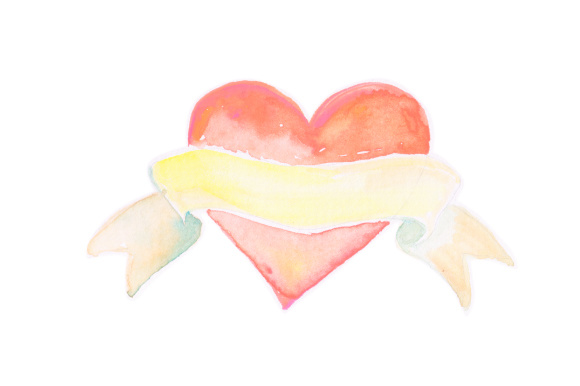
The initial mood here is gentle and artistic. This isn't a rigid, geometric heart. It feels sketched, with a soft bleed of color implied by its outlines—that's the “watercolor” effect doing its work visually. For anyone in the Love category or general Crafts space, this design lands in a sweet spot between recognizable symbolism and handmade charm. Its visual personality is friendly and approachable, which tells me it belongs on projects meant to convey warmth. I immediately thought of a personalized baby blanket corner or the center of a cozy pillow cover.
Where This Heart Finds Its Home
In real-life embroidery situations, this design’s strength is its adaptability. Let’s walk through some scenarios.
Imagine you’re preparing a custom embroidered tote bag for a boutique. The Watercolor Heart, stitched in a soft rose or a slate blue thread, would give that bag an immediate handmade, artisanal feel that elevates it from a generic product. It becomes a small shop product with a story. The same applies to a simple sweatshirt; this heart would look intentionally crafted, not just applied, increasing the perceived value for your customer.
For personalized gifts—think anniversary tea towels or a wedding gift apron—the design’s inherent softness makes it feel like a thoughtful inscription, not a loud declaration. In baby embroidery, on a little hat or a nursery decor piece, it’s sweet without being overly cutesy. As an embroidered patch, it would carry that same artistic quality, making it perfect for a handmade, curated look on a jacket or bag.
From a commercial standpoint, if you're an Etsy seller creating digital product previews or printable mockups, this design provides a clean, attractive asset. Its transparent PNG format is particularly useful here for overlaying on different backgrounds in your listings. The provided SVG and EPS files are excellent for scaling and integration into broader craft business branding materials.
The Practical Considerations: Stitching It Out
Now, let’s move from the screen to the hoop. How does the Watercolor Heart perform when the machine starts running?
On Texture and Scale
The design appears to have areas of varying detail. On textured fabrics like a knit sweater or a thick towel, those softer, blended lines need careful attention. You’d want to test on scrap fabric first to ensure the stitch density is sufficient to hold the shape clearly against the fabric’s texture. For thin or stretchy fabrics, a good stabilizer is non-negotiable to prevent puckering and keep those watercolor-style edges crisp.
Its success on curved surfaces, like a cap, would depend heavily on the final size and the specific details. Smaller hoop sizes might compress some of the artistic flow, so scaling it down requires a preview to check that the essence of the design isn't lost. On dark fabric backgrounds, thread color contrast is key—you’d likely choose a lighter, vibrant thread to make the watercolor effect pop.
Longevity and Presentation
For products destined for frequent washing—like kitchen towels or custom apparel—the integrity of the stitches matters. Areas that might use a fill stitch to create the watercolor effect should be checked for durability. A well-executed stitch-out of this design enhances customer trust; it shows professional care. That directly impacts giftability and the handmade presentation. A client receiving a tote with a perfectly stitched, soft-hearted emblem sees a professional, finished product, not just a craft.
Designer Notes for Your Project
Before you commit this to a final project, here’s my checklist, drawn from experience.
- Always run a test stitch on a scrap of the actual project fabric. This reveals how the embroidery file handles the material and your chosen thread.
- Check the design in black and white mockups, or simply imagine it in silhouette. Does the heart shape remain clear and appealing without its color concept? This tests its fundamental strength.
- Compare it on both light and dark backgrounds digitally. The provided Transparent PNG makes this easy. This helps plan your thread colors for different applications.
- Inspect the small details in the file preview. Are there any extremely tight corners or tiny spaces that might require needle adjustments or a slight size modification?
- Confirm the licensing terms for this digital embroidery file. The formats provided (SVG, PNG, EPS, DXF) suggest versatility, but you must know if it’s cleared for commercial embroidery projects if you’re selling finished items.
- Consider the product’s entire context. A Watercolor Heart on a minimalist apron might look stunningly professional, while on a densely patterned fabric, it could get lost. Context defines its success.
The Final Take: An Asset for Creative Hands
The Watercolor Heart isn’t just another shape in your library. It’s a design asset that brings a specific mood—a gentle, artistic warmth—to your work. It fits seamlessly into the world of personalized gifts and small business merchandise. Its value lies in how it translates that screen-based watercolor idea into tangible thread, creating a product that feels considered and crafted.
For the designer, crafter, or entrepreneur, it offers a versatile starting point. It encourages you to think about thread color as paint, fabric as canvas, and the finished stitched piece as a product with real emotional resonance. That’s the kind of embroidery design that supports both creative expression and commercial sensibility, making it a worthwhile consideration for your next project.