The Watercolor Turtle: A Craft-Friendly Animal Asset for Creative Projects
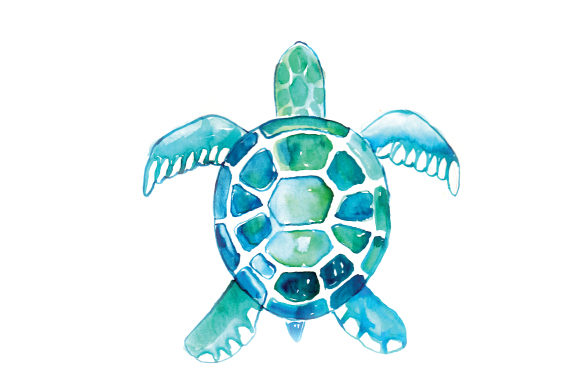
When a design asset arrives in your hands, the first impression is everything. For professional designers, it’s not just about whether it’s pretty; it’s about whether it can hold its own in a real client project. Opening the file for this Watercolor Turtle, my immediate sense is one of soft, organic texture and a distinctly handmade feel. The watercolor strokes create a gentle, natural mood, evoking themes of calm, growth, sustainability, and craftsmanship. This isn't a slick, corporate graphic; it's a piece of art. It naturally fits clients who value authenticity—think handmade businesses, eco-conscious brands, boutique product lines, children’s markets, or anyone aiming for a warm, approachable aesthetic.
Where This Watercolor Turtle Makes Its Mark in Client Work
In practical terms, this asset shines in specific design situations. Its inherent charm lends itself perfectly to product-centric visuals. For a small business selling handmade soap or organic teas, this turtle could be the heart of a product label or packaging detail, instantly conveying a natural ingredient story. For a craft marketplace seller, it’s ideal for printable sticker designs, sublimation-ready t-shirt art, or as a focal point for a tote bag mockup. In marketing visuals, it can elevate a social media campaign for a local garden center or a summer event invitation with a subtle, artistic touch.
Consider it for larger layout areas where its texture can be appreciated: as a hero graphic on a website for a nature blog, a decorative accent in editorial design about conservation, or a central element in a Pinterest pin promoting a crafting tutorial. It works well within themed collections—paired with other watercolor animal assets for a cohesive brand identity for an Etsy shop. Its soft edges and transparent PNG background make it a versatile layer for digital ads or Canva templates, allowing it to sit gracefully over other elements without harsh clipping.
The Careful Considerations for Professional Use
However, like any nuanced graphic design asset, it requires thoughtful application. Its detailed watercolor texture means it should be used carefully at very small sizes. In a crowded layout or on a complex background, its delicate forms could lose definition and become visual noise. It’s not suited for minimalist, high-contrast corporate branding where clean lines are paramount. In projects demanding sharp visual hierarchy, this turtle should likely serve as a supporting brand element, not the primary information carrier.
The style directly affects readability. Pairing it with a crisp sans-serif font for any necessary text creates a pleasant balance, ensuring the artwork feels artistic without sacrificing clarity. A bold script font might compete, while a delicate handwritten font could amplify the handmade mood if the hierarchy is carefully managed. This affects the overall impression: it builds visual trust and emotional appeal with audiences seeking authenticity, but it must be integrated professionally to avoid looking amateurish.
Practical Designer Notes Before Client Delivery
Before committing this Watercolor Turtle to a client’s brand identity or commercial design project, a few crucial checks are non-negotiable. First, test it in black and white to understand its core form stripped of color—this is vital for any potential single-color print applications. Check contrast by placing it on both light and dark backgrounds; the transparent PNG should handle this, but preview it to ensure no crucial details vanish.
Preview the asset at both tiny and large scales. How does the SVG file render when scaled up for a poster? Does the fine detail remain crisp? How does the PNG look at a small icon size on a website graphic? Place it on real product mockups—a mug, a book cover, a social media post frame—to see how it interacts with real-world formats. If print quality is a concern, test the EPS or high-resolution files.
The provided file formats—SVG, PNG, EPS, DXF—offer fantastic flexibility. The SVG means it’s editable and perfect for Cricut projects or further customization. The DXF speaks directly to crafters and makers using CNC or laser cutters. Always, always confirm the commercial licensing terms. For use in a client’s project, especially for print-on-demand or digital sellers, you need unambiguous rights to use this digital product commercially.
Final Judgment: A Versatile Asset for Targeted Projects
This Watercolor Turtle is more than clipart; it’s a mood-setter. For designers working with specific niches in the creative marketplace—crafters, handmade business owners, content creators in the animals or nature space—it’s a valuable tool. It won’t fit every project, but where it does, it improves the visual mood significantly, helping a final design feel polished, intentional, and emotionally resonant. Its success lies in understanding its strengths: organic texture, emotional appeal, and format versatility. With the proper practical tests and strategic placement, it can become a key piece in building a cohesive and compelling visual story for your client.