A Watercolor Bunny Family Design for Embroidered Charm
When an embroidery design lands on my screen for review, my first thought is never just about the file itself. It's about the stitch. I picture the thread hitting the fabric, the final texture, and the reaction it will get from a client or a customer at a craft fair. So, with The Bunny Family Watercolor in front of me, I'm already imagining it on a soft cotton tote bag or the corner of a baby's blanket. This isn't a basic graphic; it's a full mood.
The Immediate Feel: Softness and Story
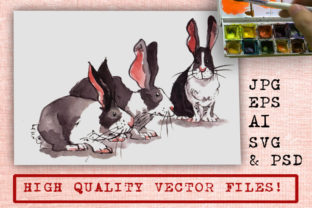
The watercolor style gives this illustration an inherent gentleness. The lines aren't harsh; they have a blended, painterly quality that suggests soft fills and subtle satin stitch borders rather than hard, geometric edges. This creates a mood of warmth and whimsy. The layout—a family of bunnies nestled together—has a storytelling aspect that people connect with instantly. It feels like a snippet of a larger, kinder world. For an embroidery project, that emotional hook is everything. It translates into a giftable product, something that feels special and handmade, not just manufactured.
As a designer, I appreciate the level of detail. It's illustrative enough to be interesting, but not so densely packed that it would become a nightmare of stitch density on a thinner fabric like a t-shirt. This tells me it's versatile. It naturally belongs to projects where charm is the primary sell: nursery decor, personalized gifts like pillow covers or tea towels, and boutique items like aprons or kitchen linens where a touch of sweetness elevates the product.
Where This Bunny Family Will Thrive
In real-life embroidery situations, this design's personality shines. On a custom sweatshirt or hoodie, especially in a pastel thread palette, it becomes a standout feature—conversational and cozy. For small business merchandise, like an embroidered patch applied to a canvas bag, it offers immediate visual appeal that can define a brand's friendly, craft-oriented aesthetic. I can easily see it in an Etsy listing for a baby's keepsake blanket, where the soft watercolor echoes the softness of the fabric itself.
For digital product sellers and creative entrepreneurs using printable mockups, this high-resolution artwork provides a beautiful preview asset. It helps sell the idea of the finished embroidered product before the stitch is even run. On a dark fabric background, with careful thread color planning for contrast, it could make a striking statement on a cap or a tote bag, moving it from purely "nursery" into more general gift territory.
Careful Considerations for a Perfect Stitch
No design is perfect for every scenario, and a practical review must highlight where to proceed with caution. The watercolor aesthetic, with its blended edges, means that on very small hoop sizes, some of that lovely soft detail might lose definition. I would be cautious about putting it on highly textured fabrics (like some boucle sweaters) or very thin, stretchy fabrics without excellent stabilizer, as the fill stitches need a stable base to look clean.
The design's success on curved surfaces, like caps, would depend entirely on the specific embroidery file's construction and how well it can be adapted. Those detailed corners and blended color areas require testing. For products destined for frequent washing, like baby clothes or kitchen towels, a robust stitch density is key—something you'd need to verify in the actual machine embroidery file. And while it looks giftable, tiny lettering isn't a feature here, so if you're thinking of adding personalized names, you'd need to pair it with a separate text design.
Practical Notes from the Hoop
Before committing this to a client's order or a batch of craft fair products, here’s my checklist:
- Test on scrap fabric first. Use the same material you plan for the final product. See how the watercolor edges translate into stitches.
- Check thread color contrast. Play with palettes. A muted, pastel scheme will enhance the watercolor feel; brighter colors might make it more playful.
- Review the stitch density in the actual embroidery file to ensure it's suitable for your chosen fabric—too dense on a lightweight tee can cause puckering.
- Compare how it looks in both light and dark fabric mockups, even simple black-and-white outlines, to gauge its adaptability.
- Always use the proper stabilizer for your fabric and project type; this design's appeal hinges on a clean finish.
- Crucially, confirm the licensing before selling finished items or digital products. The category is Illustrations/Graphics, but you must ensure your intended commercial use is permitted by the specific license of this asset.
The Bigger Picture: Value and Trust
Using a design like The Bunny Family Watercolor affects more than just the stitch. It influences perceived value. A well-executed version of this on a product conveys care and artistry, building customer trust in your handmade presentation. For a craft business or apparel decorator, it can become part of a consistent brand story around warmth and family. That consistency builds professionalism and buyer engagement—people remember a style they love.
In the end, my judgment as a designer reviewing this for real project use is positive. It's a design with a strong emotional core and visual personality that translates well into the world of embroidered goods. It asks for some thoughtful preparation and testing, as any good design does, but it rewards that effort with a finished product that feels genuinely charming. Whether for a personalized gift, a small shop product, or a commercial embroidery project, it has the potential to stitch not just threads, but a story.