A Watercolor Wedding Invitation Design for Your Embroidery Projects
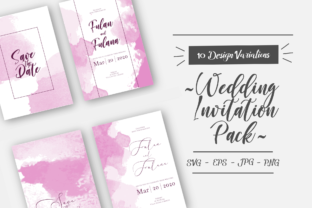
As a designer who regularly translates digital graphics into stitchwork, I’m always looking for files that carry a distinct mood from screen to fabric. The Watercolor Wedding Invitation Card Pack immediately caught my eye for its soft, romantic aesthetic—a quality that’s highly sought after in custom wedding gifts and boutique merchandise.
The First Impression: Where This Design Belongs
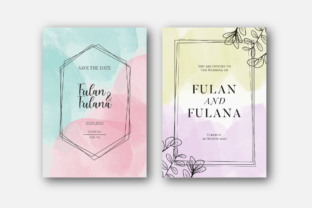
Opening this pack, you’re greeted with a classic, elegant layout. The watercolor style isn’t overly detailed; it suggests a gentle blend of colors rather than demanding precise replication. This is a significant advantage for embroidery. The soft edges and flowing shapes translate beautifully into satin and fill stitches, creating that handmade, painterly feel clients love on heirloom items. Think pillow covers for a bridal suite, the lining of a keepsake box, or a decorative tea towel for a wedding shower gift. The 5″x7″ invitation format provides a naturally balanced canvas that fits well within common hoop sizes for apparel and home decor.
From Graphic to Stitch: Real Project Considerations
Imagine you’re preparing a custom order for a bride who wants an embroidered tote bag for her wedding day essentials. You want the design to feel special, but not overly formal. This watercolor invitation design, with its editable text and color, lets you personalize it with the couple’s names or date. Stitched onto a natural linen tote, the soft watercolor elements would blend with the fabric’s texture, avoiding a harsh, digital look. The result feels curated and heartfelt—exactly what elevates a simple product into a premium, giftable item.
This theme extends beautifully to other niches. For a baby item, altering the colors to softer pastels could make a beautiful nursery pillow cover. For a kitchen towel or apron as a wedding gift, the design’s elegance adds a touch of sophistication to everyday items. As an Etsy seller, offering this as a personalized option on sweatshirts or caps for the wedding party could become a unique listing in a crowded market.
Where the Design Requires a Careful Hand
While the watercolor style is forgiving, some aspects need attention for a clean finished product. The editable text is a fantastic feature, but tiny lettering within the design can become unclear if stitched too small or on textured fabrics like fleece or terry cloth. Always test text portions on a scrap of your intended fabric first. Similarly, the suggested watercolor blends might involve areas of varying stitch density. On stretchy fabrics like t-shirts or on curved surfaces like caps, dense fill stitch areas can pull or distort. Using the proper stabilizer is crucial here.
Dark fabric backgrounds present another consideration. The original light, watercolor feel relies on a soft color palette. If stitching onto dark fabric, you’ll need to thoughtfully choose thread colors that maintain contrast and luminosity to preserve the design’s airy mood, perhaps opting for brighter, opaque threads. It’s wise to run a test in a black-and-white mockup or on a dark scrap to check clarity before committing to a client’s project.
How This Design Impacts Your Business and Craft
Using a design like this isn’ just about stitching; it’s about building trust and perceived value. When a customer sees a handmade product featuring a coherent, beautiful graphic like this watercolor invitation, it signals professionalism. It shows you’ve selected a design with a clear personality that fits the product’s purpose. This consistency strengthens your brand as a thoughtful maker, whether you’re selling at a craft fair or through your small shop online.
For commercial embroidery projects, such as creating a line of wedding-themed merchandise, this pack offers a versatile foundation. The editable elements mean you can adapt it for different clients or seasons without redesigning from scratch, saving valuable time. However, a crucial practical note: always confirm the licensing terms of the original graphics file before selling finished items or incorporating it into your own digital product listings. Understanding whether it’s for personal use, commercial use, or both is a fundamental step for any serious crafter or entrepreneur.
Practical Steps Before You Hoop the Fabric
My final advice, drawn from years of reviewing embroidery designs for real use, is to adopt a simple checklist.
- Test on Scrap Fabric: Always stitch a sample, especially of the most detailed sections, on the actual fabric you plan to use.
- Check Color Contrast: Review your thread palette against both light and dark backgrounds if you offer multiple product options.
- Review Stitch Density: Observe the design file in your software to identify any potentially very dense areas that might need adjustment for delicate or stretchy fabrics.
- Confirm Hoop Size: The 5″x7″ dimensions give a good guide, but ensure your specific machine hoop can accommodate the design with adequate margin.
- Use Proper Stabilizer: Match your stabilizer to the fabric type to ensure clean stitches, particularly for items like aprons or kitchen towels that will be washed frequently.
The Watercolor Wedding Invitation Card Pack, when approached with this practical mindset, becomes more than a graphic; it becomes a reliable asset for creating embroidered products that feel personal, professional, and perfectly suited to the celebratory, handmade market.