The Watercolor Fairy: A Review for Real Embroidery Projects
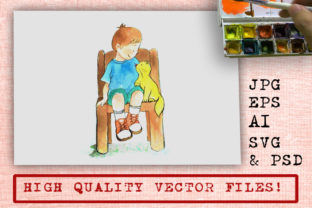
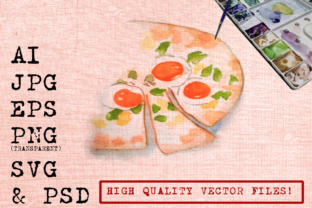
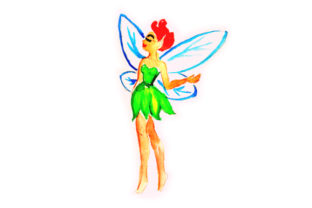
When you come across a design like this one, you immediately get a feeling. It’s not just another file to drop into your software; it’s a potential project waiting for its fabric. The Watercolor Fairy, as a title, suggests a specific aesthetic—soft, artistic, and dreamy. My first impression is exactly that. This isn’t a crisp, geometric logo. It’s a design with a flowing, almost hand-painted personality, immediately placing it in the realm of whimsical gifts, nursery decor, and boutique-style apparel.
The Mood It Creates and Where It Belongs
The shape and layout of a watercolor-inspired fairy design inherently creates a gentle, magical mood. It feels nostalgic and tender, perfect for projects where you want to evoke warmth and charm. In practical terms, this visual personality tells me it naturally belongs on items meant for personal connection. Think of a custom embroidered pillow cover for a child’s room, a delicate accent on a linen kitchen towel for a wedding gift, or the central artwork on a lightweight tote bag sold at a craft fair. It’s a design that speaks to storytelling and personalization.
For small business owners, especially those targeting markets like baby products, personalized gifts, or feminine apparel, this design can become a core asset. Its fairy tale theme, while specific, is versatile within that niche. You could use it for a series of products: a baby blanket, a set of nursery wall hangings, and matching aprons for a boutique. The cohesive look builds brand consistency for a creative entrepreneur.
Performance in Real-Life Embroidery Situations
Let’s walk through a real scenario. I’m preparing a custom-order sweatshirt for a client who wants a unique gift for her niece. I’ve loaded the Watercolor Fairy embroidery file. My immediate considerations shift from aesthetics to execution. How will this look after stitching?
On a medium-weight sweatshirt fabric, the watercolor style—with its implied soft edges and blended tones—will rely heavily on how the satin stitches and fill stitches are managed. The design’s success will depend on thread color choices to mimic that watercolor effect. High-contrast, bold threads might clash with the intended mood; a curated palette of softer, complementary hues will be key. This isn’t a design you run with default thread settings. It requires a designer’s eye for color.
For other applications, like an embroidered patch for a backpack or a detail on a cap, the design’s overall silhouette is likely strong enough to remain recognizable even when simplified for smaller hoop sizes. On a tote bag, it would become a beautiful focal point, elevating a simple product into a handmade, artistic item. For digital product sellers creating printable mockups or using it in digital assets, the provided formats like SVG and transparent PNG are crucial for clean, scalable previews.
Where This Design Requires Careful Consideration
No design is universally perfect for every surface. The Watercolor Fairy, given its likely detailed areas and delicate theme, needs thoughtful application. On highly textured fabrics like certain blankets or terry cloth, fine details might get lost. On thin, stretchy fabrics like some t-shirts, stabilizer choice becomes paramount to prevent distortion of those flowing lines.
Embroidering on dark fabric backgrounds presents a classic challenge. Does the design have enough open space and intended contrast to pop on a black sweatshirt? You’d need to test this. Curved surfaces like caps can compress and distort the layout; a less dense, more streamlined version might be needed. Also, consider the end-use of the product. Items that need frequent washing, like baby clothes or kitchen linens, demand a robust embroidery with good stitch density and secure threads to maintain that handmade presentation over time. This isn’t just about the first stitch; it’s about customer trust in the longevity of your work.
Impact on Your Project's Value and Appeal
Choosing the right embroidery design directly affects visual appeal and perceived product value. A well-executed Watercolor Fairy on a simple item transforms it. That pillow cover becomes a cherished nursery decor piece. That plain apron becomes a boutique-level product. For the maker, it enhances professionalism—it shows you select designs with an artistic eye, not just technical feasibility.
For customer engagement, designs with strong thematic appeal like this one create recognition. At an Etsy shop or craft fair, a series of products featuring this fairy can attract a specific buyer looking for that magical, fairy tale craft. It boosts giftability immensely. A personalized baby gift with this embroidery feels thoughtful and unique, far beyond a generic text print.
Practical Notes from the Embroidery Hoop
Before you commit this design to a client’s project or your small shop merchandise, here’s my standard practice advice. Always, always test the design on scrap fabric first. Use the same material you intend for the final product. This test reveals everything: stitch density issues, how small details like fairy wings or tiny accents render, and whether the thread colors you’ve chosen achieve the desired watercolor illusion.
Check it in black and white mockups, too, to evaluate its form without color bias. Compare how it looks on light and dark fabric backgrounds. Confirm your hoop size can accommodate the design without forcing you to shrink it to a point where detail is lost. Since the product description lists multiple file formats, ensure you’re using the correct one for your machine embroidery setup.
A crucial final point: the description mentions this is a design you “receive.” It does not specify licensing terms. Therefore, you must confirm the licensing before selling finished items or commercial embroidery projects. Clarify whether it’s for personal use only, or if commercial use is allowed for your handmade products and digital product sales. This is non-negotiable for professional, ethical craft business operation.
In conclusion, the Watercolor Fairy embroidery design is a beautiful, mood-driven asset. Its real-world value lies in its ability to elevate personalized gifts and themed product lines. Approach it with a designer’s mindset—consider color, fabric, and end-use—and it can become a standout feature in your embroidery project portfolio, creating pieces that resonate deeply with customers and recipients alike.